Why would a company ever want to be a fast follower? I can only think of one reason: They want to reduce commercial risk, by coat-tailing a competitor’s market success. After all, fast-followers don’t reduce technical risk. This only increases, given the need to work around competitive patents. With B2B markets, you can eliminate most commercial risk through B2B-optimized voice-of-customer interviews. (See e-book, Reinventing VOC for B2B.) Turns out the fast-follower strategy is a misguided strategy for B2B.
More in article, Chasing the Fast Follower Myth
While in-person interviews remain the “gold standard,” we’ve found 10 advantages to virtual voice-of-customer. These include 1) lower cost, 2) reaching dispersed customers, 3) viewable probing tips, 4) colleague training, 5) probing suggestions, 6) note-taker assistance, 7) rapid debriefing, 8) easier scheduling, 9) low-impact cancellations, and 10) greater project speed. If you’re not taking advantage of these advantages, you’re forfeiting effectiveness and efficiency in your customer insight efforts.
Download our white paper at www.virtualvoc.com
The Vitality Index–% of sales from new products—doesn’t tell you how to improve. Increase your R&D staffing levels? Hire more marketing people? Improve gate reviews? It’s hard to say. Imagine guessing which car pedal will make you go faster. And then waiting years to learn if you were right (since the Vitality Index is a badly-lagging indicator). Maybe it’s time to supplement your Vitality index with two new metrics: See white paper, New Innovation Metrics. These leading indicators will tell you how to accelerate your innovation success right now. Hit the right pedal and leave skid marks.
More in article, It’s Time for New Innovation Metrics
This is one of the 48—count ‘em—48 laws of Jobs-to-be-done philosophy in Scott Burleson’s book, The Statue in the Stone. Just as Michelangelo “removed everything that wasn’t David,” so successful new-product innovators seek to remove whatever is preventing perfection in the job that customers “hire” their product to improve. Good news for B2B innovators: Customers can tell you exactly what to remove in astonishing detail… where to chisel, where to sand, where to polish… but only if you know how to ask.
More at Dan Adams interviews Scott Burleson about his new book, The Statue in the Stone
This is how a business leader described his experience with big R&D projects to me. The project that looked wonderful at first often perished later, as the facts were slowly and painfully revealed. During your project reviews, does management feel like you’re saying, “Trust me, you’ll love this”? There’s a better way, one that puts you and management on the same team. It starts with laying out all your project assumptions and rating them for likely impact and certainty. Then you follow a CheckPoint plan to investigate the critical ones. There’s a short video on this at www.deriskprojects.com.
More in article, How to de-risk projects and overcome management doubt.
In 1965, DuPont scientist Stephanie Kwolek synthesized the first Kevlar polymer, an amazing fiber with five times the strength of steel. DuPont invested several hundred million dollars to commercialize the technology for tire cords, with disappointing results. It would be another decade before the company found its first major market for this material: bullet-proof vests. ... Read More
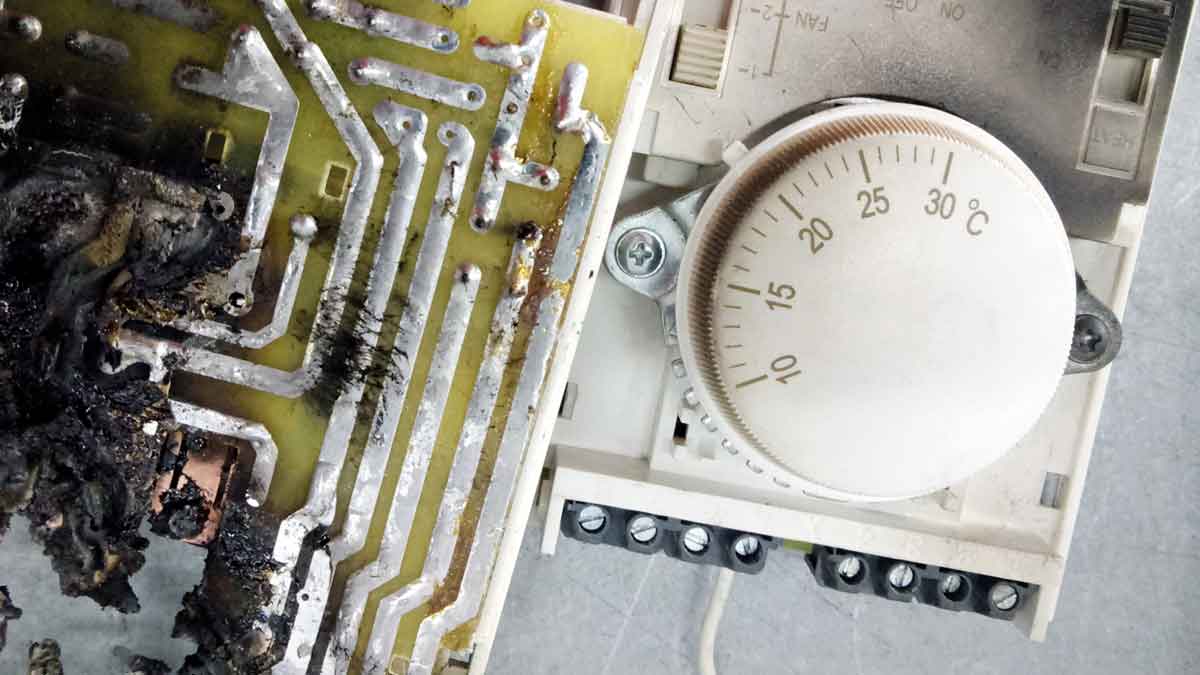
The Vitality Index–% of revenue from new products—is the most popular innovation metric today. But the feedback loop is soooo long. Let’s say you implement a new practice in the front-end of innovation, like improved customer interviews. It will take years for those projects to be developed, launched and register significant sales. This is like turning up your thermostat and having the furnace come on. Next week. For more download our white paper, New Innovation Metrics.
More in article, 3 Problems with Innovation Metrics
Here are your choices: 1) quality upgrades, 2) productivity gains, 3) cost cutting, 4) sales training, 5) customer intimacy, 6) global expansion, 7) acquisitions, and 8) market-facing innovation. There’s only one correct answer and it’s #8: market-facing innovation. The others may be fine initiatives, but they won’t deliver growth that is rapid, profitable and (especially) sustainable. Not so sure about that?
More in article, Is it time for a growth capability diagnostic assessment?
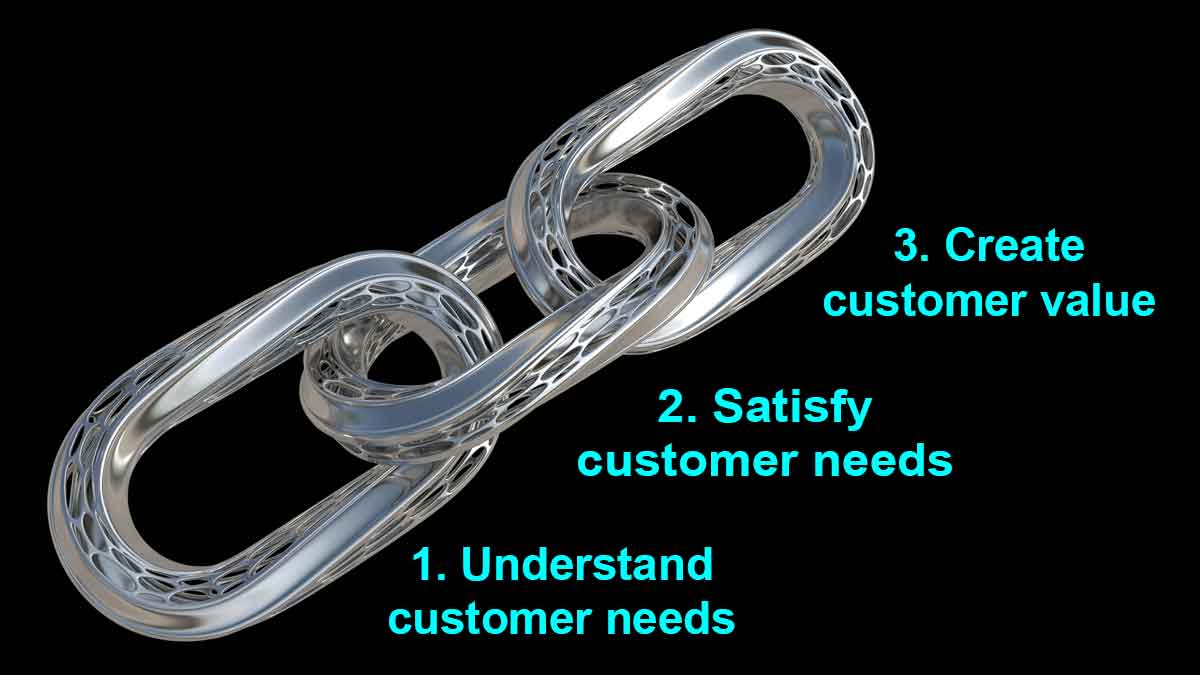
Reliable growth boils down to three linked principles. 1) Your company’s only path to profitable, sustainable organic growth is to create customer value. 2) You only create customer value when you satisfy customer needs that were important and unmet. 3) You must first understand customer needs. You cannot efficiently, effectively improve that which you do not fully comprehend. So it’s time to stop thinking about voice-of-customer as just “one more initiative.” It’s much more. It’s the first link in the growth you want.
More in article, Predict the customer’s experience with modeling.
Qualitative customer interviews let you move from ‘guessing’ to ‘understanding’ customer needs. But proper quantitative interviews provide the insight you need to ‘model’ customer needs. This means you can design your new product with confidence… know how to make intelligent tradeoffs… and even understand how customers will react to your product without seeing a prototype. This works only for B2B and will someday be a common practice. But it’s uncommon today… and a profound competitive advantage.
See how in the article, B2B Customer Needs: Predict the customer’s experience with modeling.